
Research Division
Concentrated Solar Thermal Energy Technologies (ODAK)
About
The ODAK Division at ODTÜ-GÜNAM develops innovative Concentrated Solar Thermal (CST) technologies for a broad range of applications, including:
• Industrial Process Heat
• District Heating and Cooling
• Solar/Renewable/Alternative Fuel Production
• Power Generation
• Water Treatment and Desalination
The Division focuses on medium- and high-concentration solar thermal systems supported by Thermal Energy Storage (TES) research, with the aim of delivering reliable and dispatchable solar energy solutions.
Research Areas and Expertise
The ODAK Division’s core research areas are structured to support the transition of concentrated solar technologies from laboratory-scale research to industrial applications:
• System Modelling and Demonstration: Design and simulation of CST and TES systems. A parabolic trough test facility is used to bridge theoretical research with real-world applications and validation activities.
• Thermal Energy Storage (TES): Development of sensible, latent, and hybrid thermal energy storage solutions. Research includes the use of packed-bed particles, phase change materials (PCMs), and advanced molten salts, together with electromagnetic heating and multiscale performance modelling.
• Optical and Thermofluid Modelling: Optimization of collector performance and overall system efficiency using advanced tools such as ray-tracing and computational fluid dynamics (CFD) simulations. System-level integration is carried out for both line-focus configurations, such as parabolic trough collectors, and point-focus configurations, such as solar tower systems.
• Coating Design: Design of advanced solar-selective surface coatings for CST receivers. The objective is to improve overall system efficiency while reducing manufacturing complexity and cost.
• Experimental Characterization: Validation and enhancement of component performance through heat transfer testing, thermal conductivity measurements, high-flux solar simulation, and material property characterization.
• Techno-Economic Feasibility: Comparative assessment of CST options for industrial decarbonization, optimization of collector layouts, and evaluation of hybrid renewable energy systems integrating solar, wind, and hydrogen technologies.
These activities are carried out with the objective of achieving cost-effective performance improvements and enhancing industrial scalability, thereby supporting the wider deployment of solar-based heating, cooling, and power generation as sustainable alternatives to fossil fuels
Infrastructure and Capabilities
• Parabolic trough test facility for system demonstration under conditions representative of real-world operation
• Advanced design, simulation, and modelling infrastructure for CST and TES systems
• Multiscale performance modelling capabilities
• Electromagnetic heating and high-flux solar simulator facilities
• Advanced thermal and optical characterization equipment
• Surface coating design and testing capabilities for CST receivers
• Techno-economic assessment capabilities for hybrid renewable energy systems
R&D
Latest Projects
Multiphysics Modelling-Assisted Design and Operation of the PECATHS Flow Reactor with Chemical Process Integration
02STT4SET: Solar Thermal Technologies: Support for the Implementation of the SET Plan
03SOLARIZE: Bringing EU-SOLARIS ERIC to its Zenith
04FLUWS: Flexible Upcycled Waste Material based Sensible Thermal Energy Storage for CSP
05SolarHub: A Greek-Turkish Solar Energy Excellence Hub to Advance the European Green Deal
View all (11)Scientific Output
Latest Articles
Graphite-enhanced microencapsulated phase change material - geopolymer composites for passive cooling: Experimental, numerical and life cycle assessment under climate change
02Thermal storage vs. battery storage in urban microgrids: A techno-economic assessment of hybrid PV–PTC–ORC systems with storage
03Preliminary CFD-Based Design of a Modular High-Temperature Thermal Energy Storage System for CSP Applications
04Solar-Aided Hydrothermal Treatment of Agricultural Waste: Integrated Bio-Oil Production and Life Cycle Assessment with Thermal Energy Storage
05Cooling optimization for concentrating photovoltaic modules: A study of convective and radiative cooling with a focus on plate fin applications
View all (43)News and Announcements
Latest News
Team
Division Staff
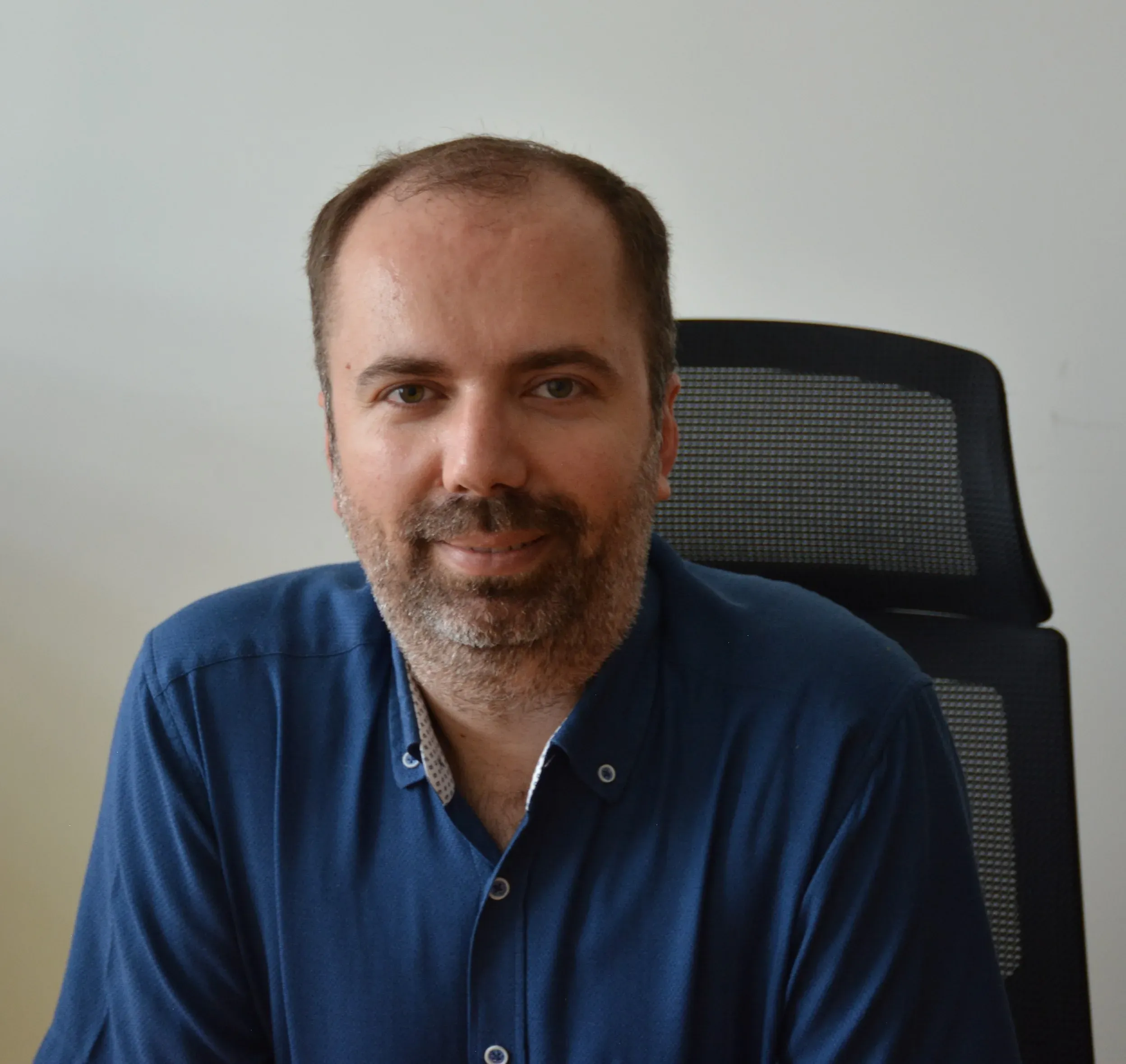 Doç. Dr. Onur TAYLANDivision Coordinator, Concentrated Solar Thermal Power Technologies
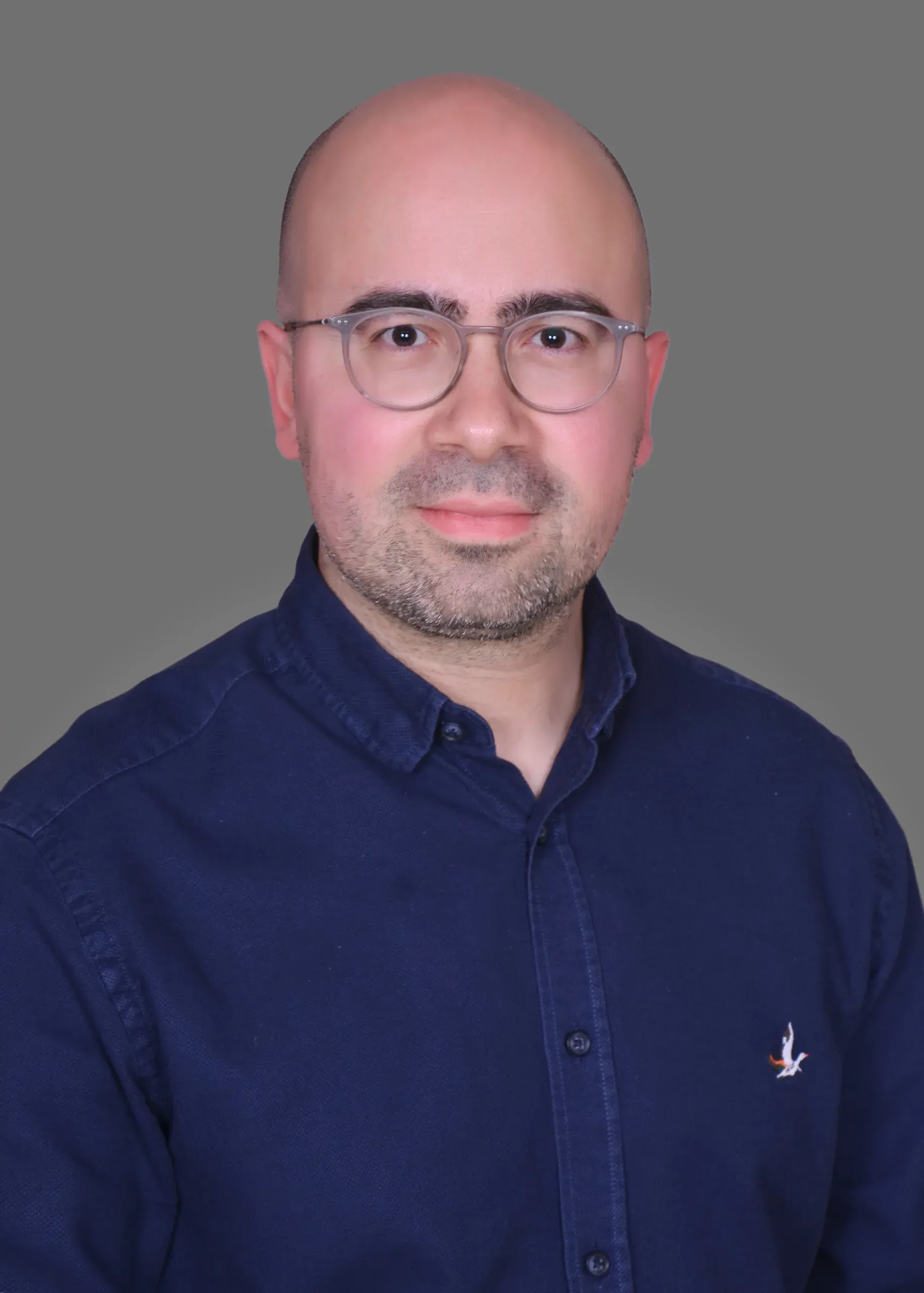 Dr. Necip Berker ÜNERLead Researcher
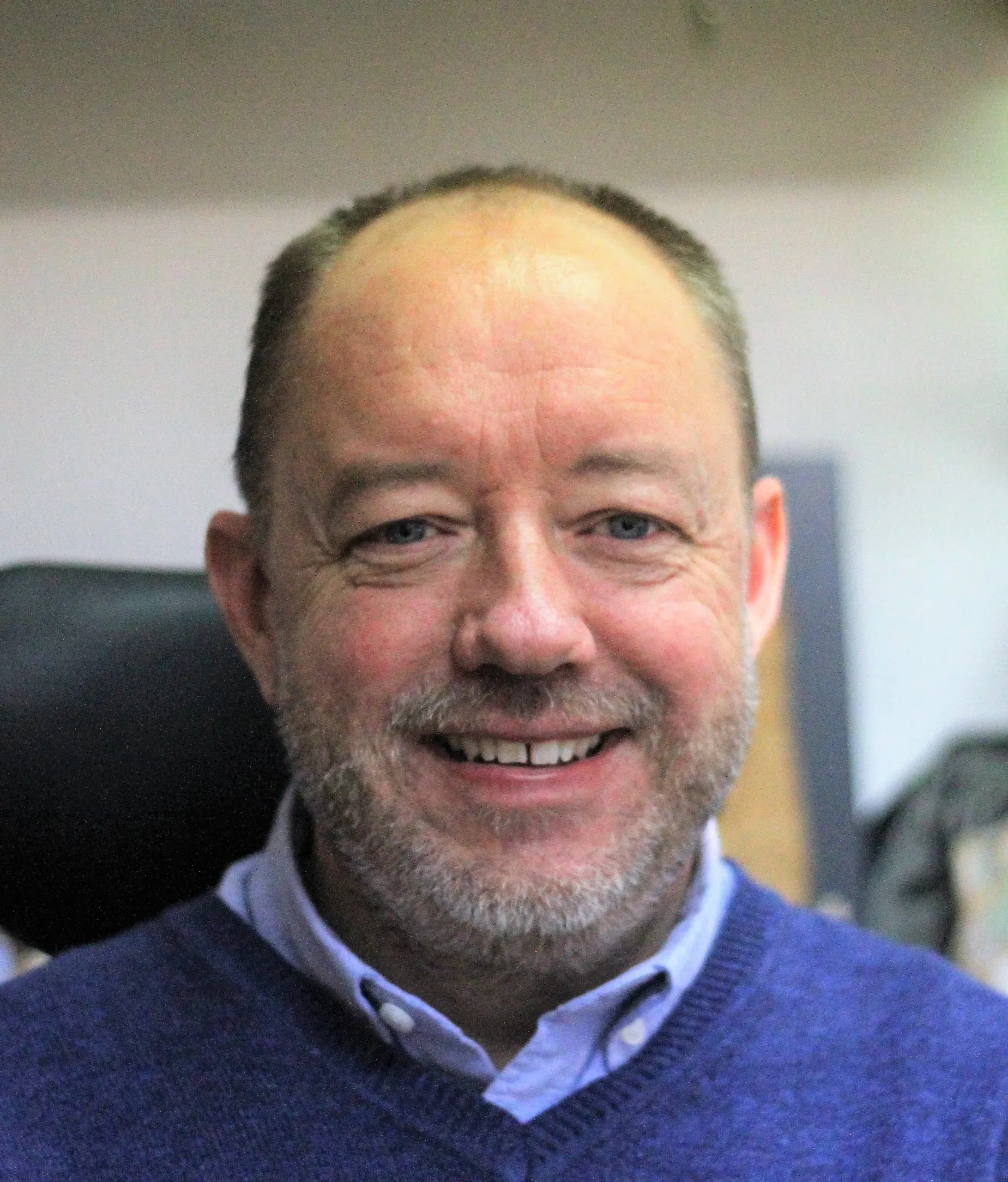 Prof. Dr. Derek Keith BAKERLead Researcher
 Doç. Dr. Gökhan ÇELİKSenior Researcher
Dr. Doruk DOĞUSenior Researcher
Doç. Dr. Gökhan ÇELİKSenior Researcher
Dr. Doruk DOĞUSenior Researcher
 Dr. Hande ERYILMAZSenior Researcher
 Almira ÇALDIKLIOĞLUResearcher
 Yağmur ÖNResearcher
 Zahra MEDGHALCHIResearcher
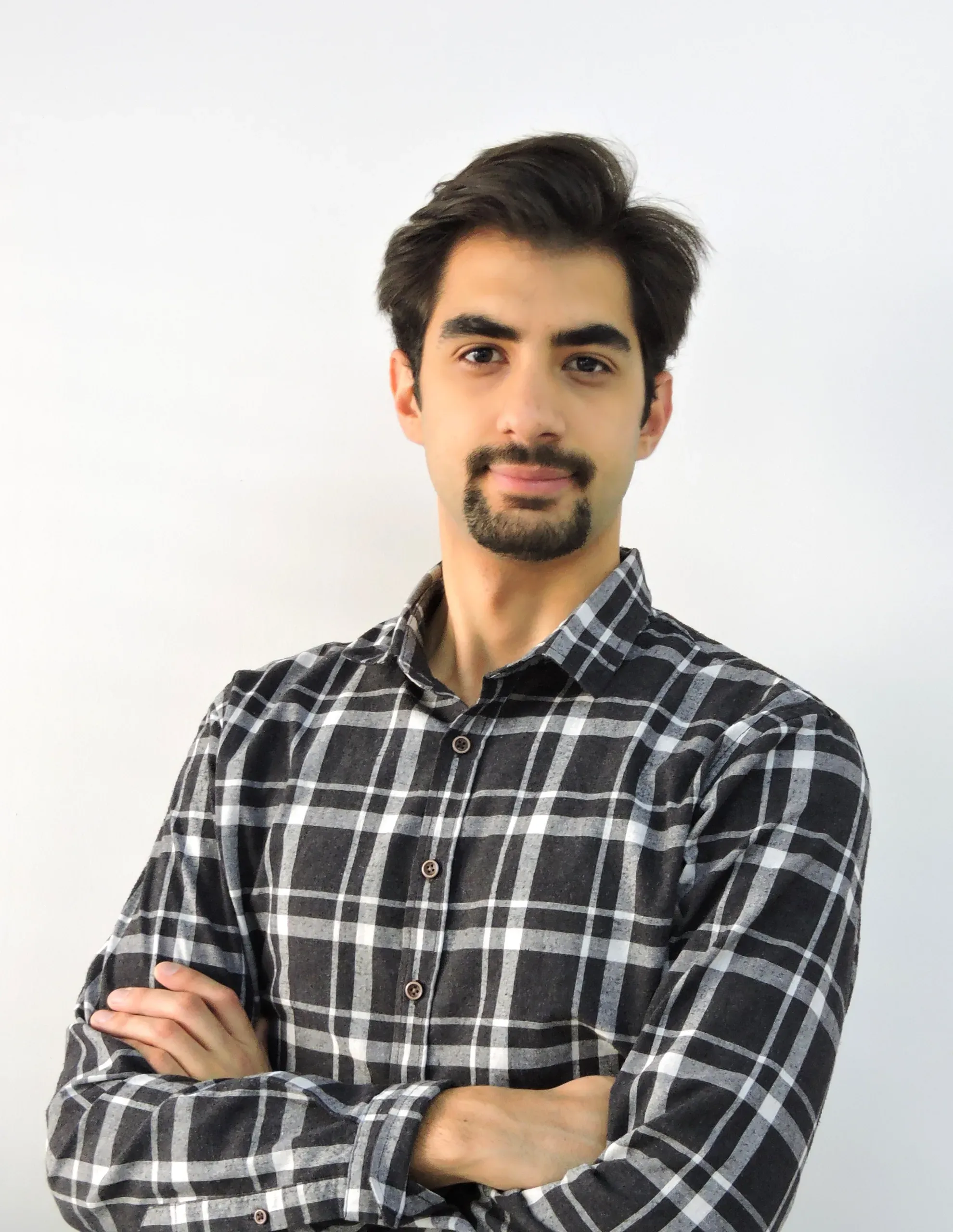 Levent GÜNERResearcher
 Deniz DEĞİRMENCİResearcher
 Ertuğrul ÇUBUKResearcher