
Research Division
Integrated Photovoltaic Technologies (IntegratedPV)
About
The Integrated Photovoltaic Systems (IntegratedPV) Division at ODTÜ-GÜNAM conducts research aimed at integrating solar energy into a wide range of everyday applications. The Division focuses on developing innovative solutions that seamlessly integrate photovoltaic (PV) technologies into buildings, transportation systems, agricultural areas, and urban infrastructure, enhancing energy efficiency while supporting sustainability.
Research Areas and Expertise
IntegratedPV focuses on four core areas of expertise that are shaping the future of photovoltaic integration:
• Functional PV Integration: Functional integration of PV systems with different structures and ecosystems through applications such as agrivoltaics and floating photovoltaics.
• Aesthetic PV Integration: Visually appealing solutions that harmonize photovoltaic energy generation with architectural and urban design.
• Next-Generation Module Technologies: Development of semi-transparent, color-controlled, flexible, and high-efficiency next-generation PV modules.
• Performance and Testing: Comprehensive performance assessment through optical transmittance measurements, energy modelling, and system efficiency studies.
Within this framework, the Division conducts advanced research to support the development of future-oriented solar energy solutions.
Infrastructure and Capabilities
IntegratedPV is equipped with advanced laboratory and testing infrastructure that enables comprehensive R&D activities from initial concept development to final product validation. These facilities support the design, prototyping, and detailed performance evaluation of innovative photovoltaic systems.
Key Infrastructure Capabilities:
• Module Design and Fabrication: Custom prototype module fabrication using laser processing, lamination, and automated cell interconnection equipment.
• Advanced Characterization: High-precision performance and quality-control testing using solar simulators, electroluminescence (EL) imaging systems, and thermal cameras.
• Field Performance Monitoring: Long-term data collection under real operating conditions using indoor and outdoor test stations together with meteorological measurement systems.
These capabilities support a broad range of activities, from developing module designs that combine energy generation with aesthetic functionality to creating integration solutions for different surfaces and monitoring long-term field performance.
R&D
Latest Projects
Sun-Trans
02PowerAV: A digitalised toolkit for predictive and reactive operation and maintenance of agrivoltaic systems
03Enriching the Green and Blue Transition Research and Training Network by Working Together through the New European Research Area (ENRICH-TOGETHER)
04Silikon Güneş Hücrelerinde Arc'Nin Çıkarılması Ve Elektriksel Temas Oluşturulması Için Lazer Destekli Silikon Nitride Aşındırma
05Perseus - Printed Perovskite Solar Cells for Large Area User Applications
View all (18)Scientific Output
Latest Articles
Urban-scale resilient cooling strategy analysis for mitigating indoor overheating: a UBEM-Based approach considering climate change
02Transfer learning and parameter-efficient fine-tuning for heating energy consumption prediction using urban building energy models (UBEM)
03Optical gating in photodetector for femtosecond time-resolved imaging
04Machine learning based prediction of long-term energy consumption and overheating under climate change impacts using urban building energy modeling
05Agrivoltaic system design for sugar beets and wheat in central Anatolia
View all (39)News and Announcements
Latest News
Team
Division Staff
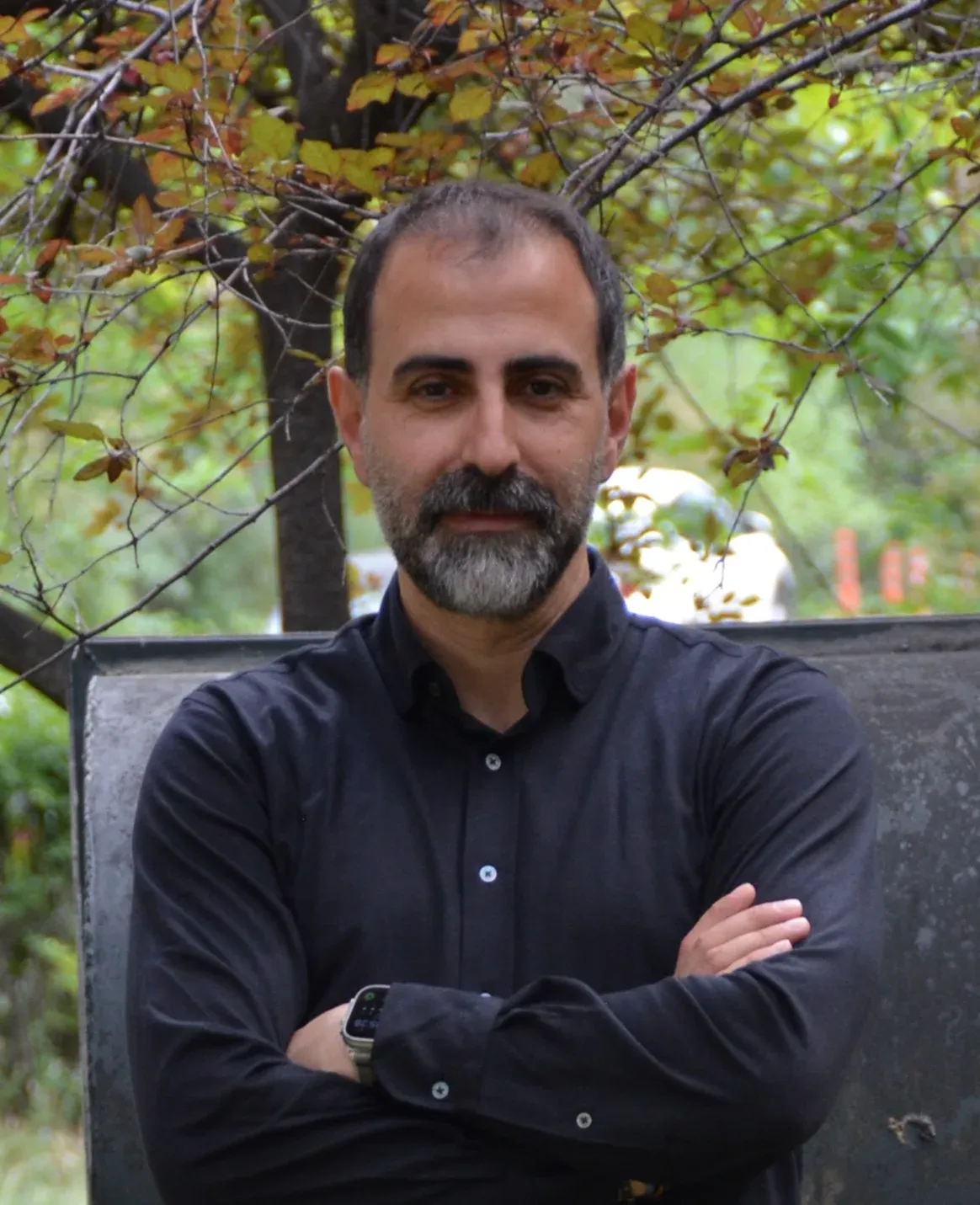 Doç. Dr. Talat ÖZDENDivision Coordinator, Integrated Photovoltaic Technologies
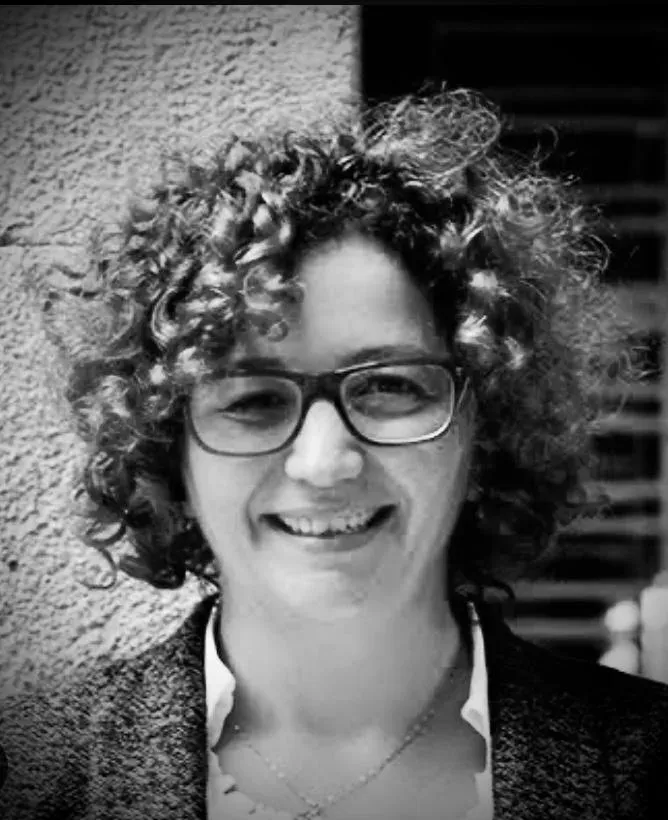 Dr. Neslihan ÇOLAKLead Researcher
 Prof. Dr. Alpan BEKLead Researcher
 Dr. Parisa SHARIF YALÇINLead Researcher
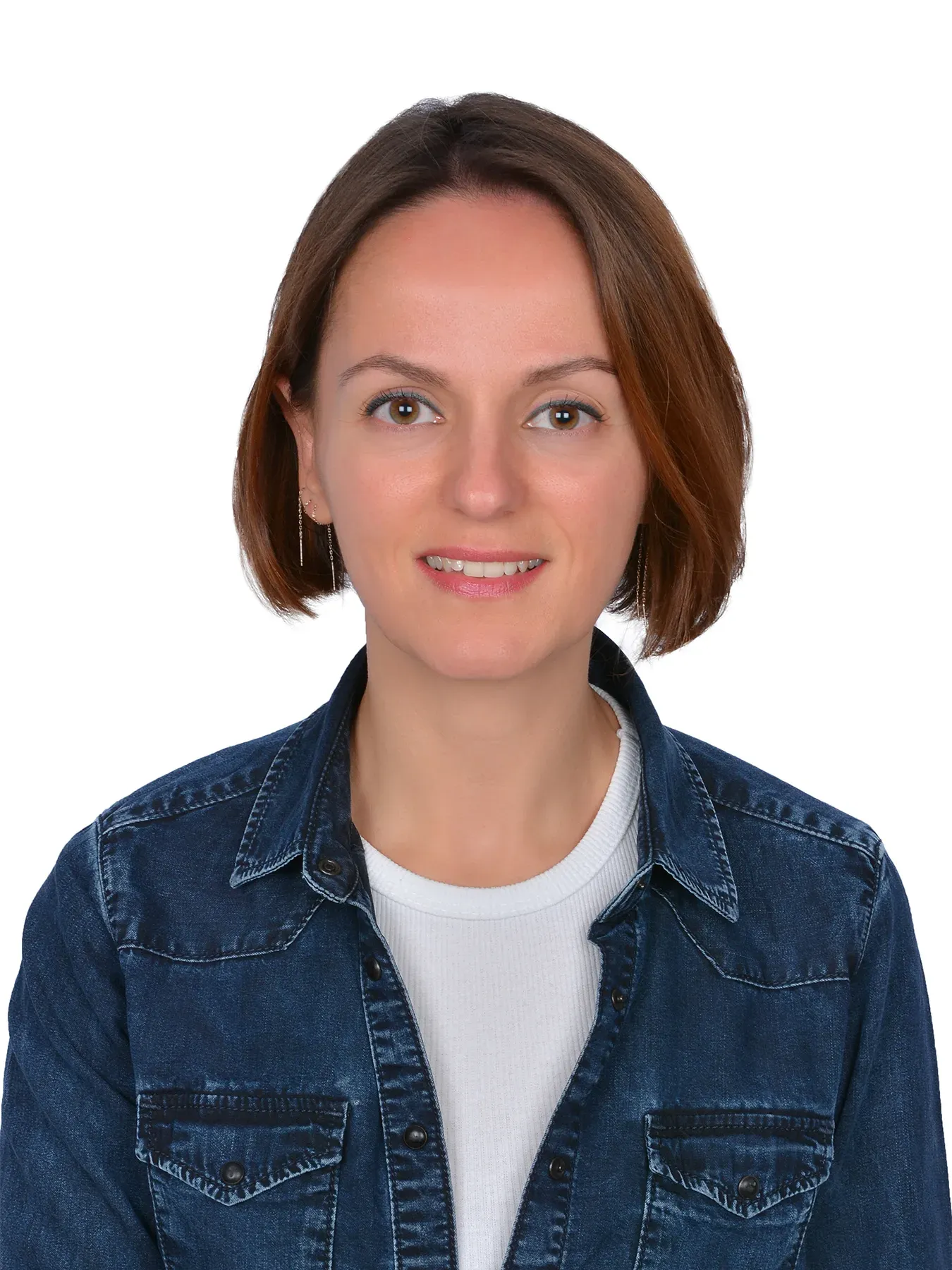 Dr. Duygu KUZYAKASenior Researcher
 Dr. Arian GOODARZISenior Researcher
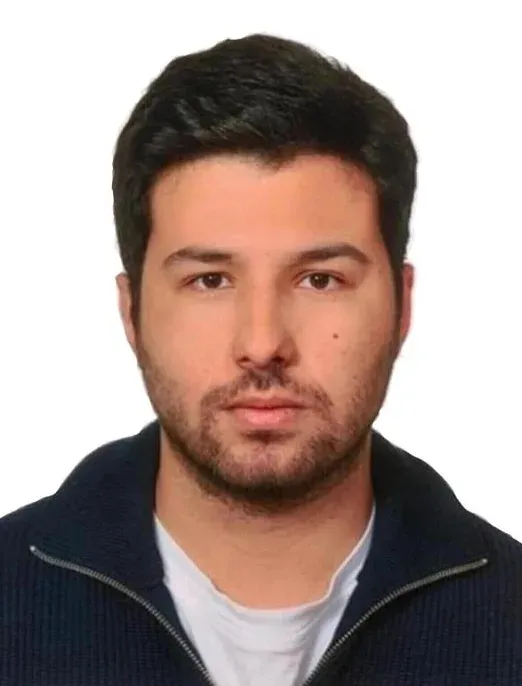 Ahmet HEKİMResearcher
 Arezou Fakheri NAZARLOUResearcher
 Elif MADENResearcher
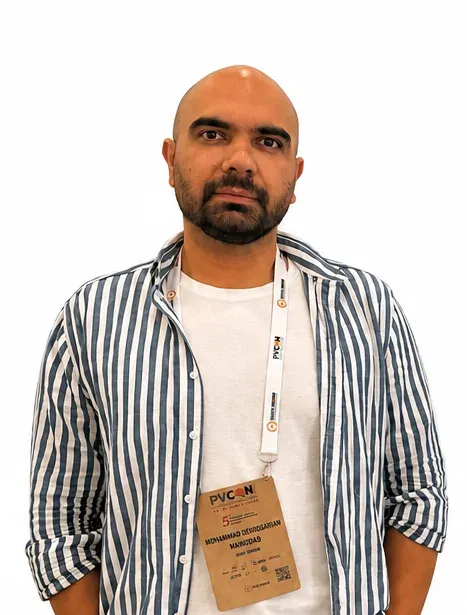 Mohammad Derogarian MiandoabResearcher
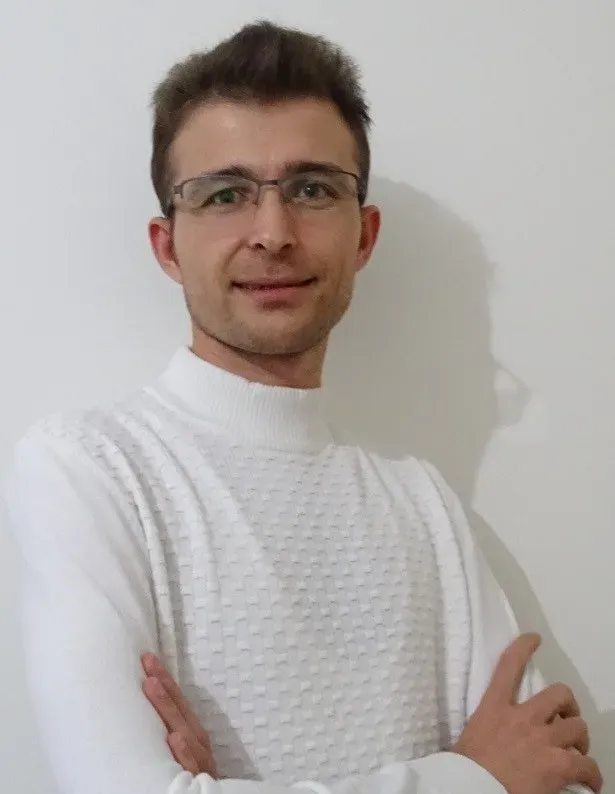 Ömer YALÇINResearcher
 Sadık ESİMResearcher
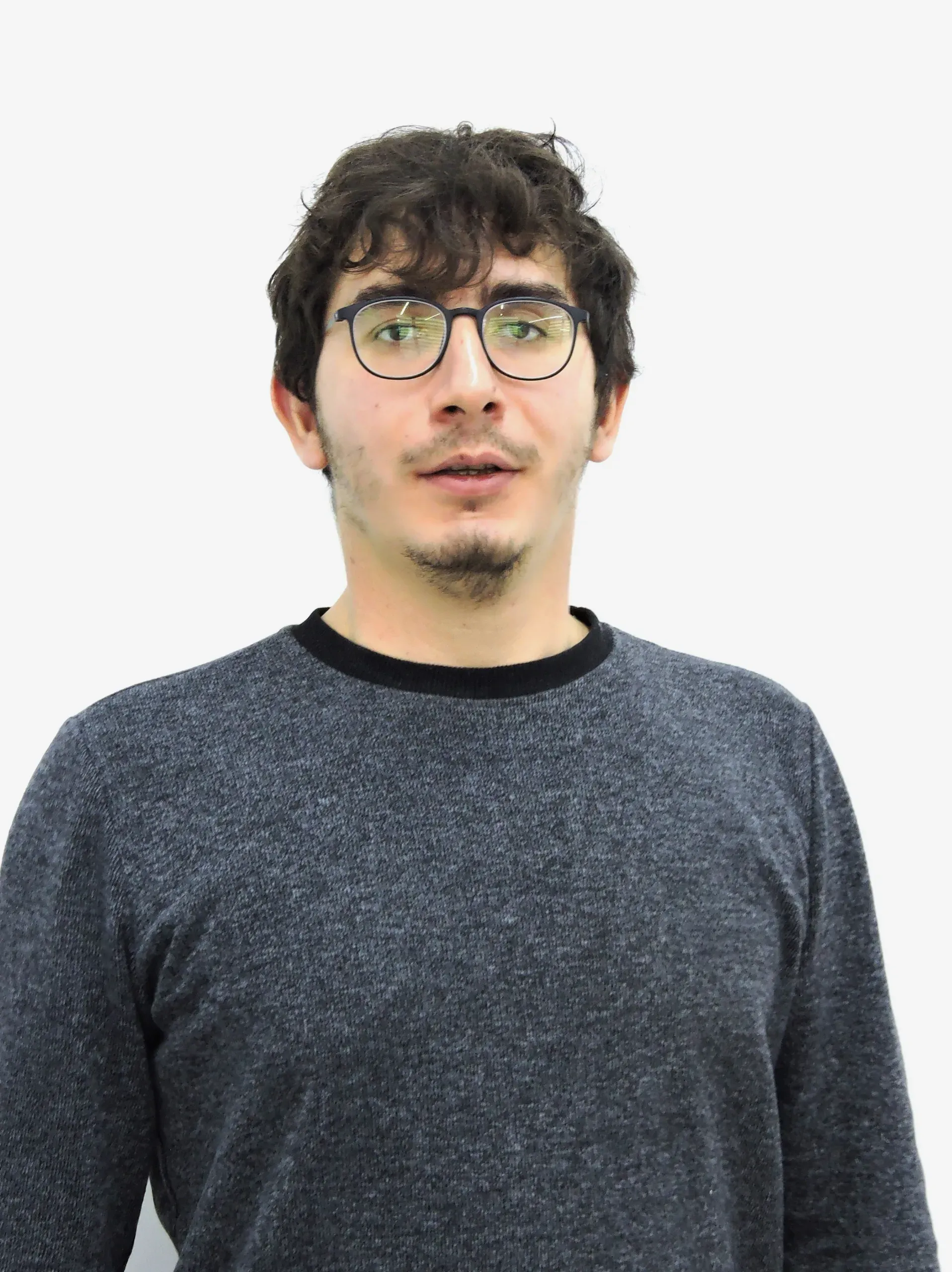 Ahmet Hamdi AKSOYResearcher